Meet Mary
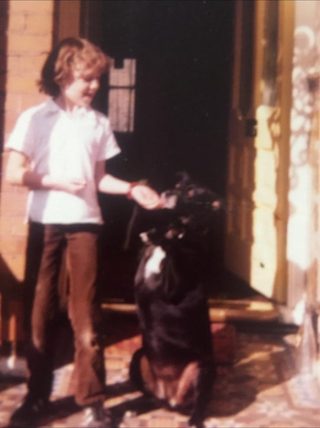
It started way back
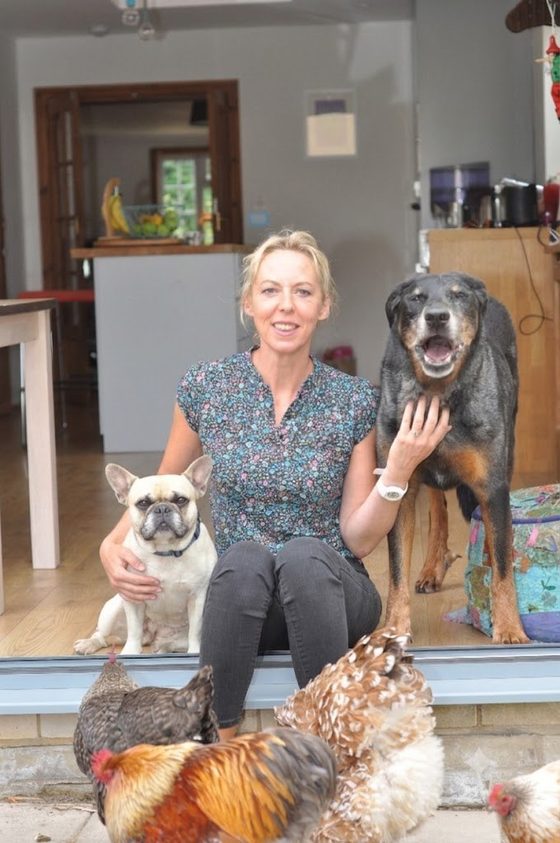
I've been obsessed with dogs for as long as I can remember. It started with my grandma's chow and our family's Irish Red Setter, and it just grew from there — I was lucky enough to be surrounded by animals of every kind growing up, from horses and rabbits to guinea pigs, and I even trained and rehabilitated a number of rescue corvids along the way — but dogs have always been my favourite animal.
My early career had nothing to do with dogs on paper — I worked within an occupational therapy unit. When the unit closed and I was asked what I actually loved, the answer was simple: animals and art. That's what led me to start my own business as a dog groomer, which before long, grew into training dogs for TV work — my own dogs and other people's, and sometimes I ended up in front of the camera myself.
Somewhere along the way, I realised most of the "problems" people brought me weren't really about the dog at all — they were about the relationship between a dog and its owner, and the misunderstandings that build up on both sides. Word got round, and I found myself very much in demand to help people rebuild that relationship.
Over 35 years, I have been lucky enough to have owned and worked with a huge range of breeds — my own dogs alone have been guardian breeds, hounds, large spitz, terriers, toy breeds, bull breeds and spaniels, many of them rescues. That's given me a deep, practical understanding of what different breeds need, and the instinctive behaviours they bring with them. I've benefited from working with some of the world's most respected dog behaviourists, which is where positive, scientific, reward-based methods became the foundation of everything I do. 22 years ago, I qualified as a full member of the Association of Pet Dog Trainers. I also hold a Diploma in Animal Behaviour and full membership with the Animal Behaviour and Training Council. I've also worked at a rescue organisation, and I'm often recommended by Dogs Trust, the RSPCA, the Blue Cross, other rescue organisations, and veterinary clinics. Along the way, I've taken part in hundreds of courses, seminars and workshops, and built a library of over 120 books on dog behaviour and training — and I'm still learning today, keeping up with the latest developments in scientific, evidence-based training.
I've lectured at Capel Manor animal care college, and after hundreds and hundreds of dogs, classes and workshops, I still believe every dog is different — there's no one-size-fits-all. Helping people understand their dog, and build a genuinely better relationship with them, is something I feel very lucky to call my job.
M x


We believe it's our responsibility to solve training and behaviour problems in the easiest way possible for our clients — without bombarding you with to-do lists or technical terminology. Instead, we explain things simply and practically, and focus on helping your dog build more positive feelings about whatever's been causing them stress — often through fun and games. It's brilliant for your bond, too. We'll always be honest and realistic with you — we're not here just to sell sessions, we're here to genuinely help.
Instead of a dog simply reacting, we're aiming to build your dog's confidence to be able to think and act appropriately to the situation in hand. That means we don't believe in suppressing deep-rooted behaviours: doing so can teach a dog to stop using the subtle body language that warns us they're uncomfortable in the first place. Rather than correcting what's on the surface, we get to the core reason behind it and work outward from there. A true dog whisperer listens to the whispers, long before a dog ever has to raise its voice.
We steer well clear of outdated dominance theory. Much of what looks like "bad behaviour" is actually fear and confusion, not defiance — and correcting a frightened dog only adds more stress, teaching them to hide their warning signs rather than resolving the feeling underneath. That's often how small issues turn into much bigger ones down the line. We'd always rather listen to what a dog is telling us, and help from there.
Above all, we're always aiming for your dog to thrive — and to bring back the joy and understanding that comes from our relationship with our dogs.
Credentials and education matter. In an industry with no professional licensure, holding genuine qualifications and staying current with the science is how I set myself apart from trainers without that same grounding.